Why Does My Water Smell Like Rotten Eggs and How to Get Rid of It

The rotten egg smell in water is usually caused by hydrogen sulfide gas. This colorless gas has a distinct, sulfur-like odor. It is commonly found in well water but can also appear in city water systems.
Water that smells like rotten eggs can be a disgusting problem. It is unpleasant and can raise concerns about the quality and safety of your water.
Common Household Complaints
- Hot water smells like rotten eggs, but cold water does not.
- The smell is only present in water from specific faucets.
- Well water smells like rotten eggs throughout the house.
Causes of Rotten Egg Smell in Water
Hydrogen Sulfide Gas in Water (Primary Cause)
Hydrogen sulfide forms naturally in water when organic matter decays and reacts with minerals. It is prevalent in well water, where chemical reactions occur underground.
Why Well Water Is More Susceptible : Wells often draw from underground sources rich in sulfur compounds.
Bacterial Activity in Water Systems
Sulfate-reducing bacteria thrive in water systems and produce hydrogen sulfide gas as a byproduct. These bacteria are often found in :
- Hot water tanks
- Plumbing systems that hold stagnant water
Source-Specific Causes
- Well Water: Naturally occurring sulfur compounds.
- City Water: Rare but can occur due to contamination or aging pipes.
- RV and Camper Systems: Water tanks and plumbing can harbor bacteria if not cleaned regularly.
Identifying the Source of the Problem
Cold vs. Hot Water Smells
- The problem may lie in the water heater if only hot water smells.
- If both hot and cold water have an odor, it could be a system-wide issue.
Testing Water for Sulfur Content
Home water testing kits can measure sulfur levels and identify if hydrogen sulfide is present.
Well Water-Specific Tests
Signs your well water might have high sulfur levels include :
- Persistent rotten egg smell
- Metallic or bitter taste
How to Fix Water That Smells Like Rotten Eggs
Solutions for Hot Water Tanks
- Flush and Clean Your Water Heater :Remove sediment and bacteria build-up by flushing the tank. You can also perform a chlorine or bleach shock treatment to clean the inside of the tank
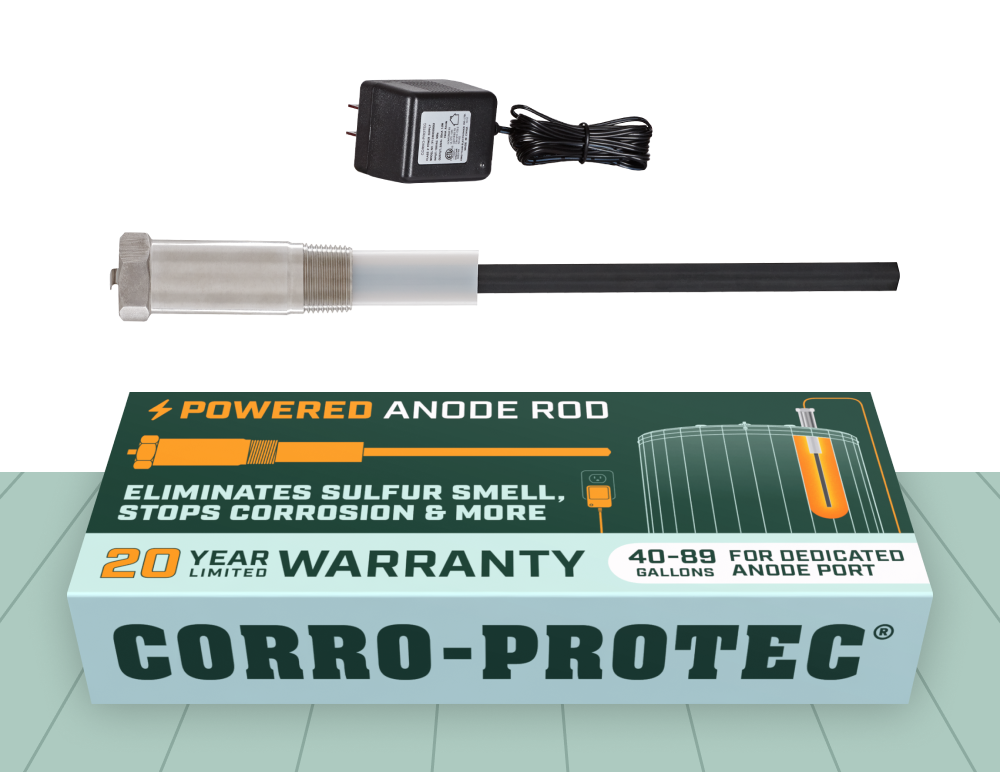
- Replace the Anode Rod : Magnesium anode rods can react with water to produce hydrogen sulfide. Switching to aluminum may help, but a titanium-powered anode rod will completely resolve the issue.
- Upgrade to a Powered Anode Rod : Powered anode rods are effective for long-term odor control in water heaters.
- Aeration and Filtration Systems
Install a system to remove hydrogen sulfide gas by exposing it to air and filtering it out. - Shock Chlorination
Treat your well with chlorine to kill bacteria that produce hydrogen sulfide.
General Solutions
- Whole-House Water Filter
Filters can remove sulfur and other impurities from your water supply. - Activated Carbon Filters
These filters are particularly effective at removing hydrogen sulfide gas.
Is It Safe to Use Water That Smells Like Rotten Eggs?
Showering and Bathing Safety
In most cases, water with a rotten egg smell is safe for bathing, as the smell itself is not harmful.
Drinking Water Considerations
If your water smells like rotten eggs, test it before drinking. High levels of hydrogen sulfide may indicate contamination.
Risks to Plumbing and Appliances
Hydrogen sulfide can corrode pipes and fixtures, leading to long-term damage if not addressed.
Preventing Rotten Egg Smell in Water
- Regular Maintenance
Clean and flush your water heater annually and inspect your well system regularly. - Professional Water Testing
Hire professionals for periodic water testing to identify issues early. - Recommendations for RV and Camper Water Systems
Clean tanks regularly and use water treatment solutions to prevent bacterial growth.
Take Action
If your water smells like rotten eggs, do not ignore it. Whether it is a water heater issue, well water contamination, or a system-wide problem, identifying the cause is the first step. Using the right solutions, like filtration systems and powered anode rods, you can eliminate the smell and ensure your water is safe and fresh.
FAQ
This indicates sulfur bacteria, trapped food particles, or hydrogen sulfide in the plumbing, water supply, or drain. Flushing the pipes with chlorine or cleaning the drain can address bacterial growth. If the odor persists, test the water to identify the source and treat it accordingly.
Blog

Suburban Water Heater Anode Rods
If you own a Suburban water heater, you’ve likely heard about the importance of an anode rod. For the Suburban RV water heater anode rod, […]

Protect Your Whirlpool Water Heater From Corrosion With an Anode Rod
One crucial component often gets overlooked when maintaining your Whirlpool* water heater: the anode rod. This small metal rod plays a significant role in preventing […]