Protect Your Whirlpool Water Heater From Corrosion With an Anode Rod
One crucial component often gets overlooked when maintaining your Whirlpool* water heater: the anode rod. This small metal rod plays a significant role in preventing corrosion inside your tank, helping to extend the lifespan of your appliance and ensuring a reliable hot water supply. Uncover the purpose of the anode rod, where to find it, how to replace it, and why a powered anode rod may be the best option for long-term protection.
What Is an Anode Rod and Why Does It Matter?
An anode rod is typically made of magnesium or aluminum and is installed inside your water heater tank. Its primary job is to attract corrosive elements in the water, thereby “sacrificing” itself instead of allowing the tank’s metal lining to corrode. Over time, the anode rod deteriorates, which is why replacing it periodically is essential to keep your Whirlpool water heater running efficiently.
By proactively maintaining your Whirlpool electric water heater, you can prevent expensive repairs or early replacement of the entire unit. Anode rod maintenance is a straightforward task that, when performed regularly, can help protect your investment and ensure a consistent supply of hot water
Where Is the Anode Rod on a Whirlpool Water Heater?
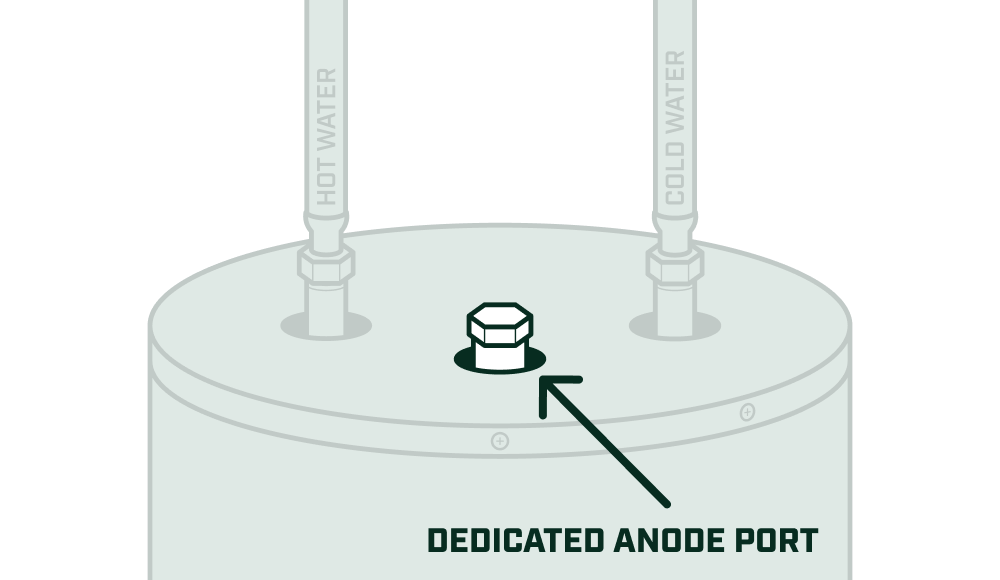
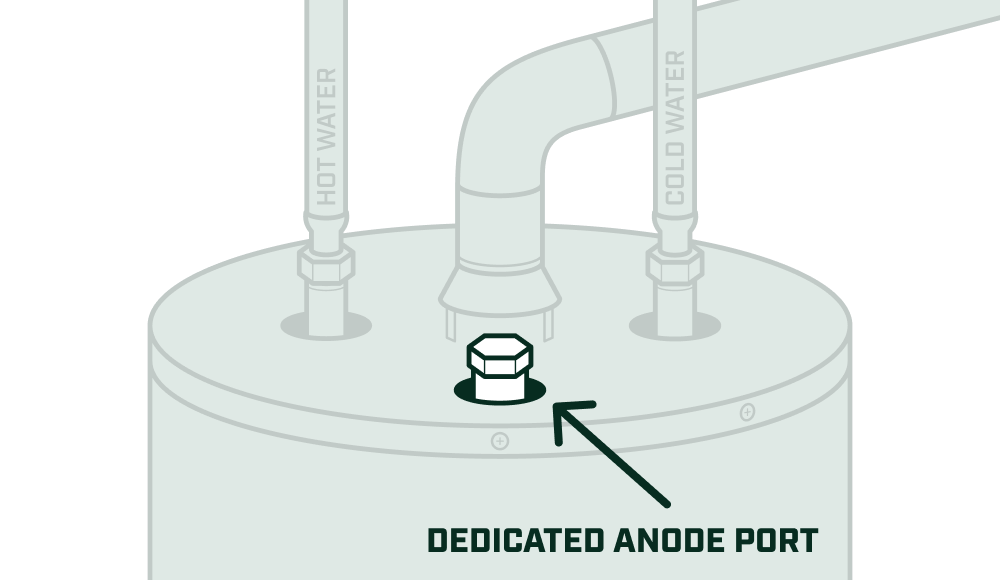
Locating the anode rod on a Whirlpool water heater can sometimes be confusing. In many models, the rod is accessible from the top of the unit. Look for a hexagonal head, often concealed beneath a plastic cap. On some Whirlpool water heater models, including certain electric models like the Whirlpool water heater e1f50rd045v anode rod, you may need to remove a small cover to see the rod’s attachment point.
If you’re uncertain about the exact location of the Whirlpool water heater anode rod, consult your owner’s manual or check the manufacturer’s website.
How to Replace an Anode Rod in a Whirlpool Water Heater
Changing the anode rod in a Whirlpool water heater is a straightforward process. Upgrading to a powered anode rod provides odor-free, long-lasting protection. Here’s a step-by-step overview:
- Turn Off the Power and Water Supply
Switch off the power at the circuit breaker for an electric water heater. If you have a gas model, set the gas valve to “Pilot.” Next, turn off the cold-water supply line to the tank. - Drain a Portion of the Tank
Attach a hose to the drain valve near the bottom of the heater. Place the other end in a suitable drainage area. Drain enough water, usually a few gallons, to lower the water level below the anode rod’s position. - Locate and Loosen the Anode Rod
Find the anode rod hex head on top of the heater. Use a socket wrench or breaker bar to loosen it. Be cautious; it may require significant force if it hasn’t been replaced in a while. - Remove the Old Anode Rod
Once loose, carefully pull the anode rod straight up and out. Take note of its condition. If it’s heavily corroded or nearly dissolved, replacing it is crucial. - Install the New Anode Rod
Insert the replacement anode rod for Whirlpool water heaters into the same opening. Tighten it securely, ensuring a snug fit to prevent leaks. - Restore Power and Water
Close the drain valve, remove the hose, and reopen the cold-water supply line. If you have an electric model, switch the power back on. For gas units, turn the valve from “Pilot” to “On.” - Check for Leaks: Inspect the top of the water heater around the new anode rod to ensure no leaks. If everything is dry, you’re good to go.
If you’re looking for more detailed instructions on removing an anode rod from a Whirlpool water heater, your owner’s manual or the Corro-Protec installation guide is an excellent resource.
Why Choose a Powered Anode Rod?
While traditional magnesium or aluminum anode rods work well, a powered anode rod offers enhanced, long-lasting protection. Instead of relying on a sacrificial metal, a powered anode rod uses a small electrical current to neutralize corrosive elements in the water. Here’s why many homeowners prefer this upgrade:
- Longer Lifespan: Unlike standard rods that dissolve over time, a powered rod can last indefinitely with minimal maintenance, providing you with long-lasting, reliable protection.
- Reduced Odors: Magnesium rods can sometimes react with certain water conditions, causing a sulfur-like smell. Powered rods help eliminate this issue.
- Consistent Protection: Because it doesn’t rely on a metal’s gradual erosion, a powered rod provides consistent corrosion defense for the life of your water heater.
If you’ve noticed signs of rust or discoloration in your water, or if you’re replacing an anode rod in a Whirlpool water heater for the second or third time, upgrading to a powered rod may be wise.
If you’re ready to protect your Whirlpool water heater from corrosion, consider switching to a powered anode rod. It’s a simple, effective solution that can save you money on costly repairs and extend the life of your water heater.
Don’t wait until you notice rust or a decline in performance. Order your powered anode rod today and ensure your Whirlpool water heater remains in top condition for years.
*Whirlpool is a registered trademark of Whirlpool. Corro-Protec is not affiliated with, endorsed by, or sponsored by Whirlpool.
Blog

Where Is the Anode Rod on a Water Heater?
If you’ve ever wondered, “Where is the anode rod on my water heater?” you’re not alone. Homeowners often feel confused and are left searching when […]
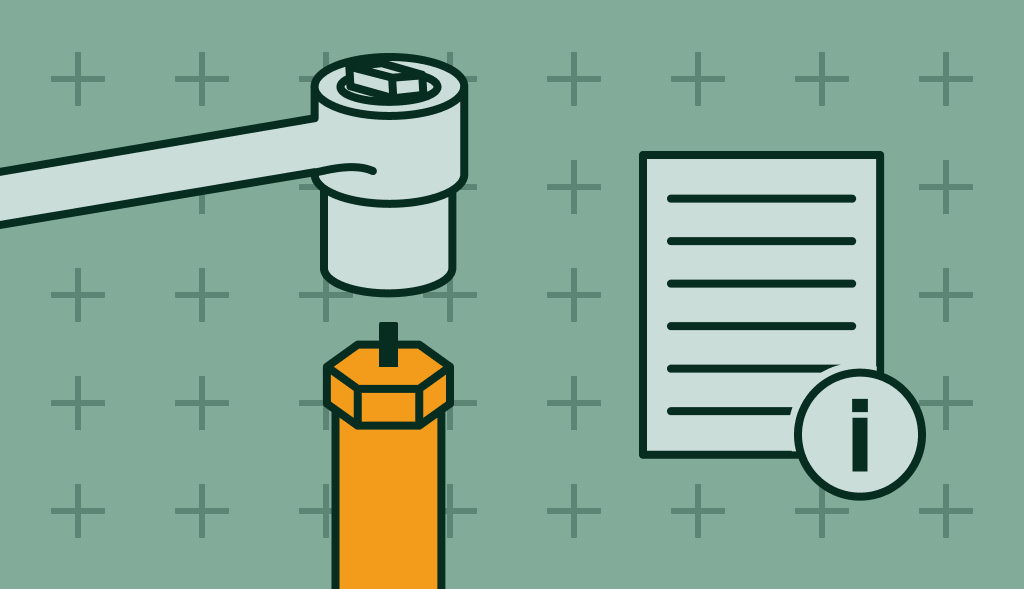
Anode Rod Socket Size: Quick & Easy Guide
Anode rods are very important in all water heaters. They keep the water tank from rusting, so your heater can last longer. But, sacrificial anode […]