Water Smells Like Rotten Eggs: Understanding Hydrogen Sulfide in Water
Does your water smell like rotten eggs? This foul odor, caused by hydrogen sulfide gas (H₂S), is common in wells and hot water tanks. Left unaddressed, it can lead to unpleasant experiences and potential safety risks. Learn everything you need to know about hydrogen sulfide in water, its effects, and how to resolve the problem effectively.
What Causes Hydrogen Sulfide in Water?
Hydrogen sulfide gas produces the unmistakable “rotten egg” smell often found in well water. It originates from several sources :
- Natural Decay Processes: Organic matter breaking down in soil and rocks can release hydrogen sulfide.
- Sulfur Bacteria: These bacteria thrive in low-oxygen environments, such as deep wells, plumbing systems, or water heaters, and produce hydrogen sulfide as a byproduct.
- Water Heaters: Magnesium anodes used in some heaters can interact with sulfur bacteria, making your water smell like rotten eggs.
While it’s rare, pollution can occasionally introduce hydrogen sulfide into groundwater.
Impacts of Hydrogen Sulfide and Sulfur Bacteria
Plumbing and Well Clogging
Sulfur bacteria produce slimy deposits that can accumulate in pipes, wells, and water distribution systems. This slime can also promote the growth of other bacteria, such as iron bacteria, leading to additional clogs.
Corrosion of Metal Components
Hydrogen sulfide is corrosive and can damage plumbing fixtures, water heaters, and pipes over time. This corrosion often appears as black stains on silverware or metal fixtures.
Potential Health Risks
While sulfur bacteria are not harmful, high concentrations of hydrogen sulfide gas can be dangerous if inhaled in confined spaces like well pits or basements.
How to Detect the Source of the Odor
Start by identifying whether the odor originates from your well, plumbing system, or water heater :
- Smell Test
After being away from home for a few hours, run the hot and cold water faucets separately. If only the hot water smells, the problem likely lies in your water heater. If both the hot and cold water smell, the issue may originate in the well or plumbing system. - Visual Signs
Black or grey stains on plumbing fixtures. Slime deposits in well or plumbing systems, often white, grey, black, or reddish-brown if combined with iron bacteria. - Water Testing
It is crucial to test your well water for hydrogen sulfide levels. Additionally, check for coliform bacteria and nitrates to ensure overall water safety.
Solutions for Addressing Rotten Egg Smell in Water
The best solution depends on the source of the problem.
If the Problem is in the Water Heater (Hot Water)
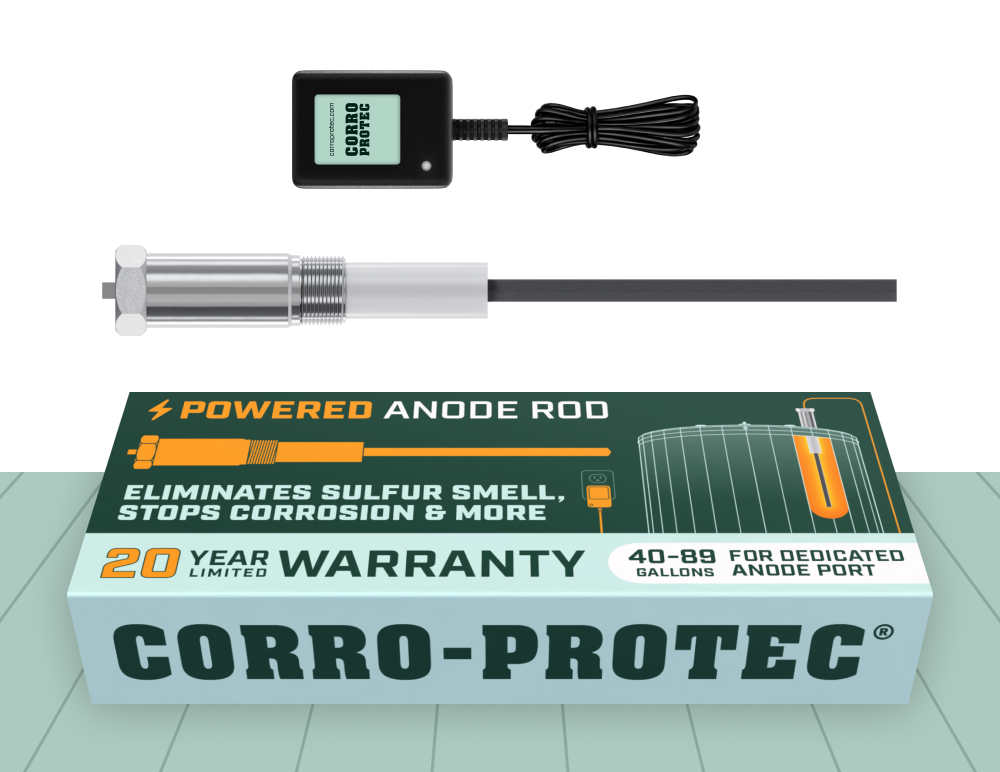
- Replace the Anode Rod : Magnesium anode rods can react with sulfur bacteria, increasing hydrogen sulfide levels. Replacing them with aluminum or powered anode rods can reduce the odor.
- Disinfect the Water Heater : Flush the water heater with a chlorine bleach solution to eliminate bacteria.
- Temperature Adjustment : Set the water heater temperature to 160°F (71°C) for several hours to kill sulfur bacteria. Ensure you follow safety precautions to prevent scalding.
If the Problem is in the Well or Plumbing System
- Shock Chlorination : Introduce a powerful chlorine solution into the well and plumbing system. This process disinfects and removes bacteria but may require professional assistance.
- Routine Maintenance : Regularly clean and maintain your well system to prevent bacterial buildup.
If the Problem is in the Groundwater
If hydrogen sulfide naturally occurs in your groundwater, consider these long-term solutions :
- Activated Carbon Filters: These filters remove odors during water flow and are effective for low hydrogen sulfide levels.
- Oxidizing Filtration Systems: These systems use manganese dioxide to convert hydrogen sulfide into harmless particles that are filtered out.
- Aeration Systems: Introduce air into water to release hydrogen sulfide gas, followed by filtration.
- Continuous Chlorination: For persistent issues, continuous chlorination can maintain water safety and reduce odors.
- Contact a Water Treatment Specialist: If you can not solve the odor issues yourself, consider hiring a professional and following their recommendations.
Additional Testing Recommendations
Even with the rotten egg smell gone, routine testing is crucial for maintaining the safety of your water :
- Test for coliform bacteria, nitrate, arsenic, lead, and manganese.
- Consider testing for volatile organic chemicals, pesticides, and fluoride depending on local conditions.
Take Action
The smell of rotten eggs in water, often caused by hydrogen sulfide gas or sulfur bacteria, can be unpleasant and damaging if left untreated. By identifying the source and implementing the appropriate solution—maintaining your water heater, disinfecting your well, or installing a powered anode rod—you can ensure safe, odor-free water for your home.
Regular maintenance and testing are important for preventing issues and protecting your home’s water. If you’re unsure where to start, consult a water treatment professional to address the problem effectively.
FAQ
If the smell is only coming from your hot water, the water heater is usually the source. The most effective long-term solution is to replace the magnesium anode rod in your tank with a powered anode rod, which stops the sulfur reaction inside the tank and helps prevent the odor from returning.
In many cases, the rotten egg smell is caused by hydrogen sulfide gas and is not harmful for bathing or general household use. However, your water should always be tested before drinking to rule out contaminants such as coliform bacteria or nitrates.
High levels of hydrogen sulfide can also corrode plumbing and may pose concerns in confined spaces. Proper testing will confirm whether treatment is needed.
The odor is caused by hydrogen sulfide gas, often resulting from natural decay, sulfur bacteria, or chemical reactions in water heaters involving the sacrificial anode rod. It can occur in groundwater or well systems due to low-oxygen environments. Addressing the specific source is crucial in eliminating the smell. First, check whether the odor is only in the hot water or in both hot and cold water. This is the quickest way to identify where the problem is coming from.
First, check if the smell is in hot water, cold water, or both. If it’s only in hot water, the water heater is usually the source and upgrading to a powered anode rod is often the best long-term fix. If it’s in cold water or both, focus on treating the well or plumbing system with sanitizing or filtration based on your water test results.
If your hot water smells like onions, it can be caused by different factors. Here is a list of the main factors:
- – A prolonged absence can dry out the pipes and lead to onion and sewer odour
- – A clogged drain
- – Incorrect temperature setting of the water heater that causes bacteria to grow
- – The metal in the water heater tank
This article was written by Vincent Veilleux, Corro-Protec CEO and AMPP Tester on April 2019 and updated on September 2024.
Blog

Effective Strategies to Remove Sulfur Smell from Your Hot Water Heater
Many homeowners face the unpleasant sulfur smell in hot water. This odor, often resembling rotten eggs, can make using hot water for daily tasks unpleasant. […]

Why Does My Water Smell Like Rotten Eggs and How to Get Rid of It
The rotten egg smell in water is usually caused by hydrogen sulfide gas. This colorless gas has a distinct, sulfur-like odor. It is commonly found […]