Understanding Your GIANT Water Heater
Summary
- GIANT heaters are built for U.S. homes with AO Smith’s reliability.
- Durable glass-lined tanks minimize corrosion and heat loss.
- Replacing a worn anode rod can extend the life of your GIANT water heater.
- Powered anode rods from Corro-Protec offer long-term protection for all GIANT models.
GIANT Hot Water Heater Maintenance and Anode Rod Replacement
GIANT water heaters, now part of AO Smith Corporation, provide durable and energy-efficient hot water solutions for U.S. homes and small businesses. With a history dating back to 1945 in Canada, the brand’s technology and manufacturing standards now align closely with AO Smith’s U.S. production network, offering North American homeowners quality and reliability backed by decades of experience.
GIANT’s U.S. product line includes electric and gas tank models, designed for reliable household use with a focus on longevity and efficiency. The brand’s water heaters meet or exceed Department of Energy (DOE) standards for water heater performance.
Materials and Design
Each GIANT water heater features a heavy-duty steel exterior and a glass-lined steel tank to prevent corrosion. Between these layers, foam insulation reduces standby heat loss. Core safety components include a temperature and pressure (T&P) relief valve, thermostat, and dip tube that directs cold water to the bottom of the tank for heating.
A magnesium or aluminum anode rod protects the tank interior by attracting corrosive minerals before they can damage the steel surface
How They Work
Electric GIANT models use one or two heating elements that activate when the thermostat detects cooler water. Gas models rely on a burner beneath the tank, heating the water and venting combustion gases outdoors. The system maintains temperature automatically, while the T&P valve ensures safe operation.
Maintenance Tips
- Flush the tank every 6-12 months to remove sediment and maintain heating speed.
- Inspect and test the T&P valve annually for safe pressure control.
- Check the anode rod yearly and replace it if more than 50% worn.
- Turn off power or gas before performing maintenance or draining the tank.
Locating the Anode Rod on a GIANT Water Heater
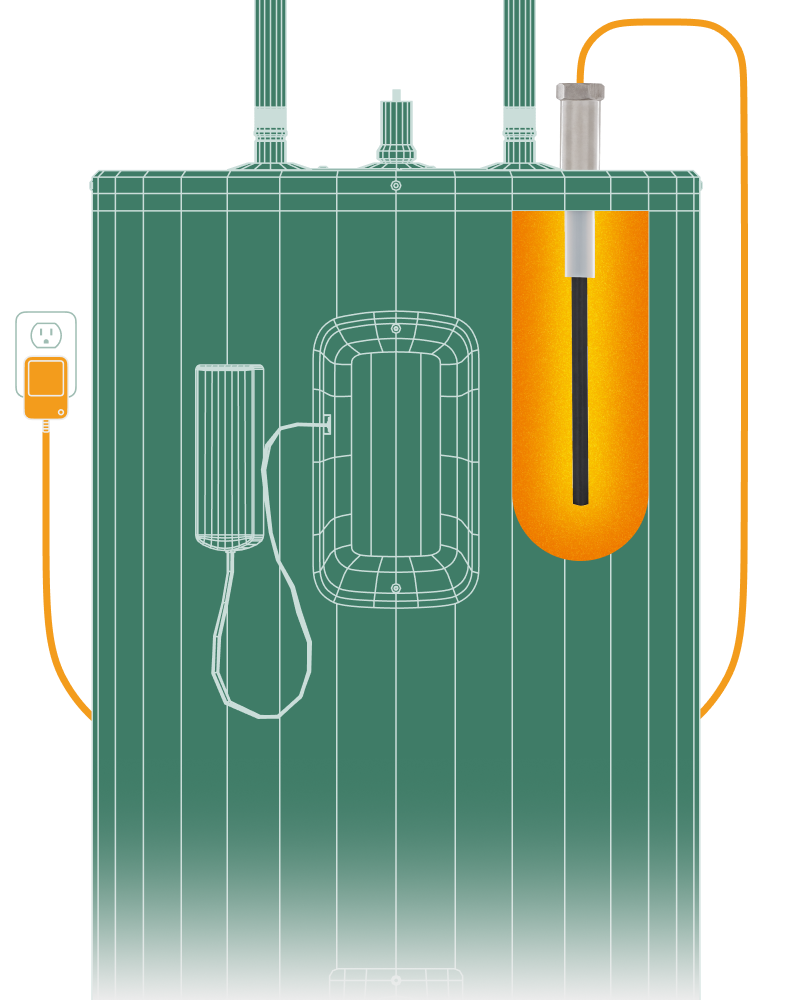
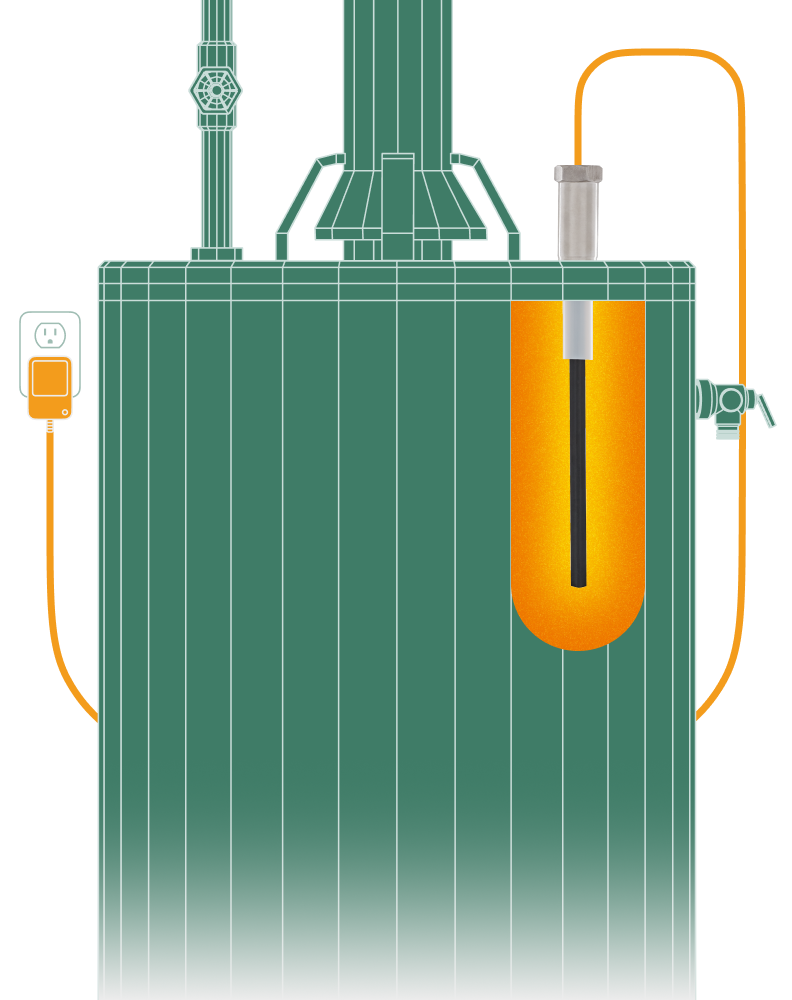
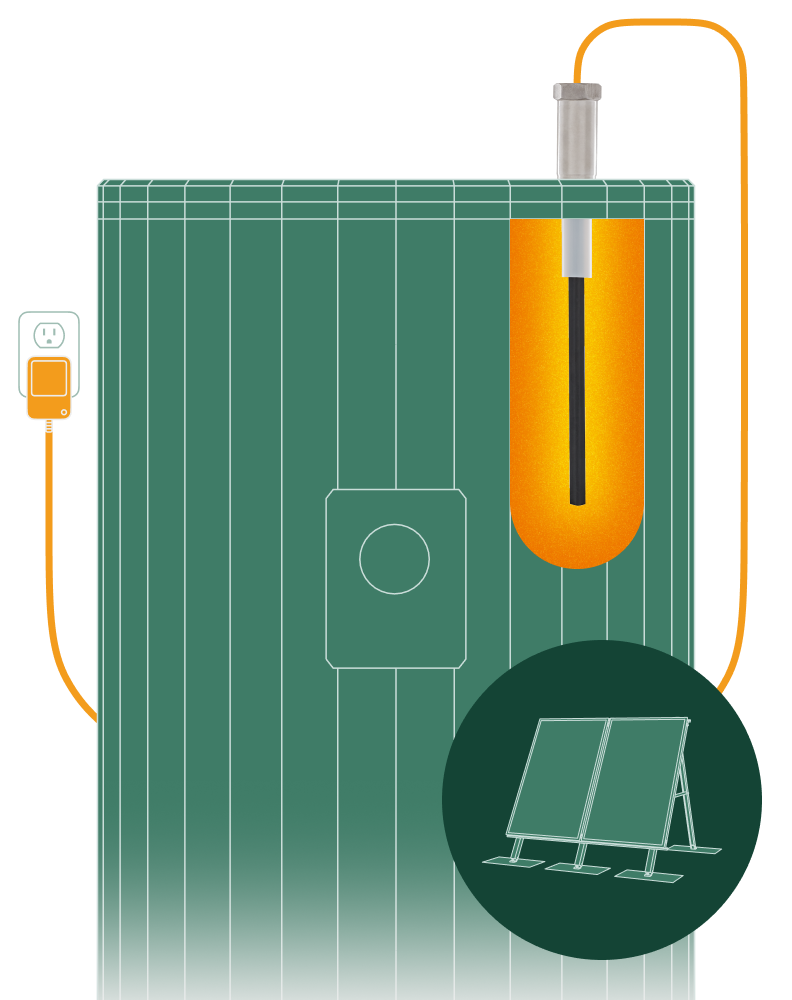
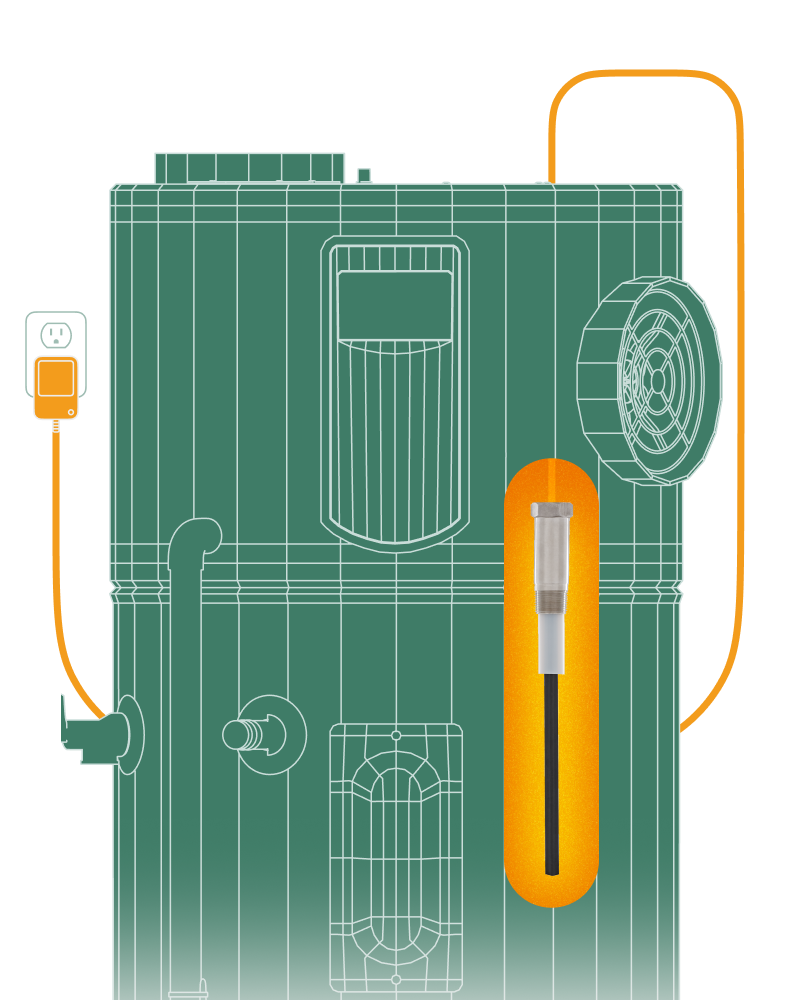
In most GIANT water heater models, the anode rod is found on the top of the tank, under a hex-head fitting. In certain compact or space-saving units, the anode rod may be part of the hot-water outlet connection.
For a detailed visual reference, check out How to Find and Upgrade the Anode Rod on a Giant Water Heater.
Signs Your GIANT Anode Rod Needs Replacement
- Hot water smells like sulfur or rotten eggs.
- Rust-colored water appears from hot taps.
- Your tank makes popping or rumbling sounds.
- You haven’t replaced the rod in one to five years.
If any of these signs appear, it’s time to inspect your GIANT water heater’s anode rod.

Critical role the anode rod plays
Most water heaters come with a factory-installed anode (usually magnesium or aluminum) designed to corrode first so the tank doesn’t.
Knowing when it’s worn out and how to find it, remove it, and replace it with an upgraded option like a powered anode rod, helps keep your system protected.
Comparing Replacement Options
When you’re ready to replace your GIANT water heater’s anode rod, there are three main types to consider.
Why a Powered Anode Rod Is the Best Upgrade for GIANT Water Heaters
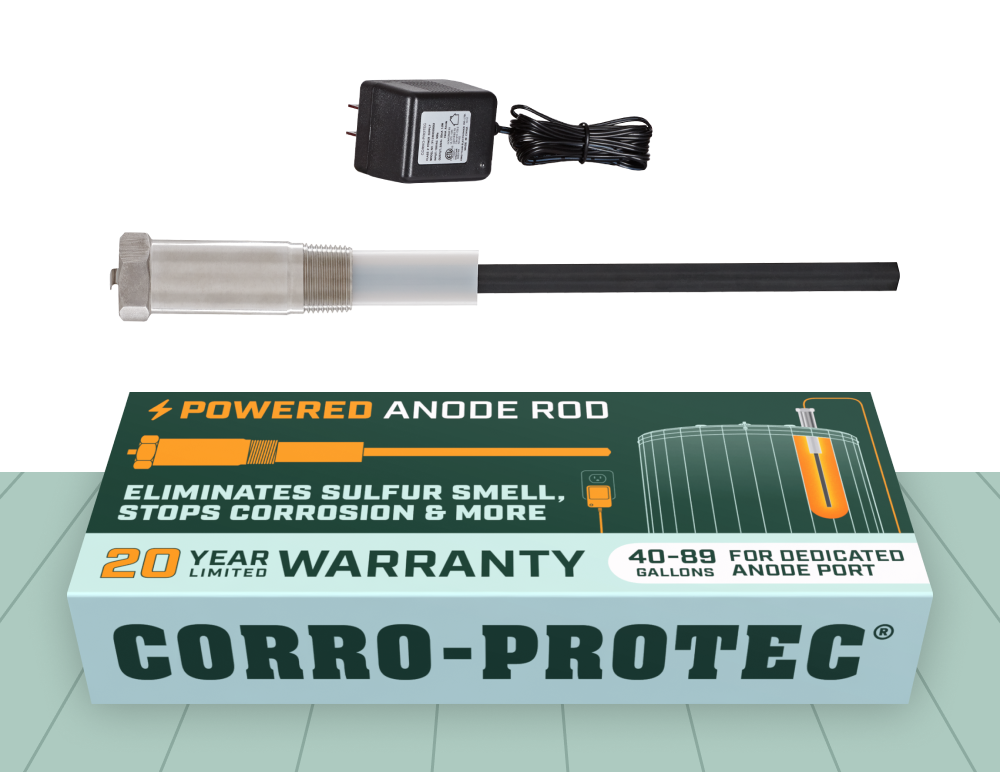
A powered anode rod, such as the Corro-Protec Water Heater Anode Rod, is a permanent, maintenance-free solution for corrosion protection. Unlike traditional rods, it doesn’t degrade over time. Instead, it uses a small, controlled current to stop corrosion before it starts.
Advantages of a powered anode rod:
- Stops rust and and reduces limescale inside the tank.
- Eliminates sulfur odors in hot water.
- Works in both electric and gas GIANT models.
- Easy to install, no maintenance required.
Backed by a 20-year limited warranty.
For GIANT owners dealing with odor issues or frequent rod replacements, a powered rod is the best option.
Protecting Your GIANT Water Heater Investment
Your GIANT hot water heater is a significant investment, and protecting it from corrosion is key to good performance. Sacrificial anode rods are effective, but they require frequent replacements and can cause odor issues. Installing a powered anode rod from Corro-Protec eliminates those problems and provides constant protection for your entire tank.
FAQ
Giant is a registered trademark of Giant Factories Inc. Corro-Protec is not affiliated with, endorsed, or sponsored by Giant Factories Inc.
Blog

11 No-Brainer Situations to Upgrade to a Powered Anode Rod
If you’ve dealt with premature tank failure, recurring sulfur smells, or the hassle of replacing sacrificial rods, you already know how frustrating and costly traditional […]

Why a Powered Anode Rod Helps You Save Energy and Money Long-Term
Limescale buildup inside water heaters is one of the most common and underestimated causes of wasted energy. It may seem like a small layer of […]