Water Heater Anode Rod Replacement: Step-by-Step Guide
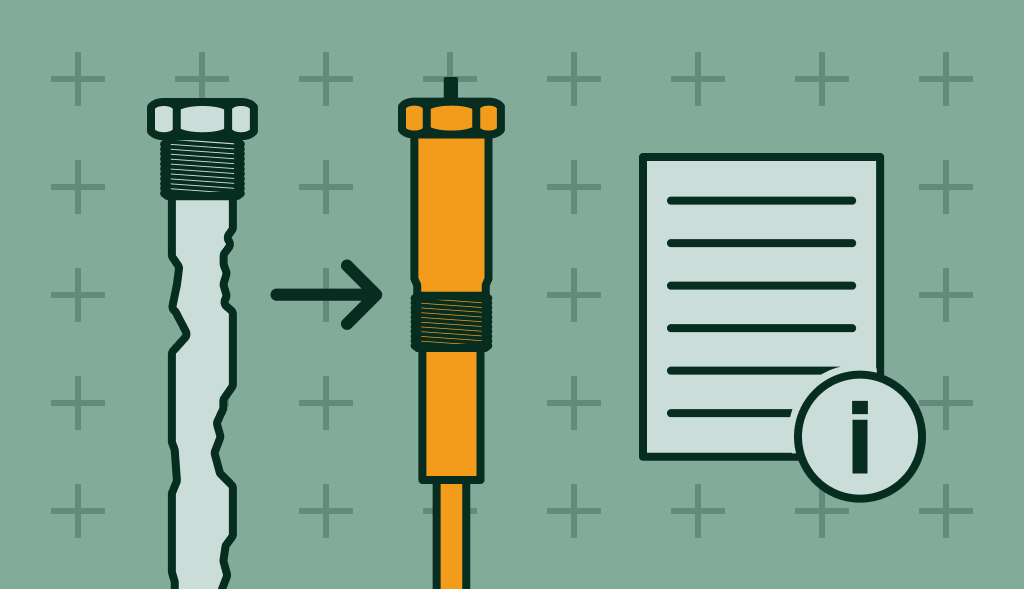
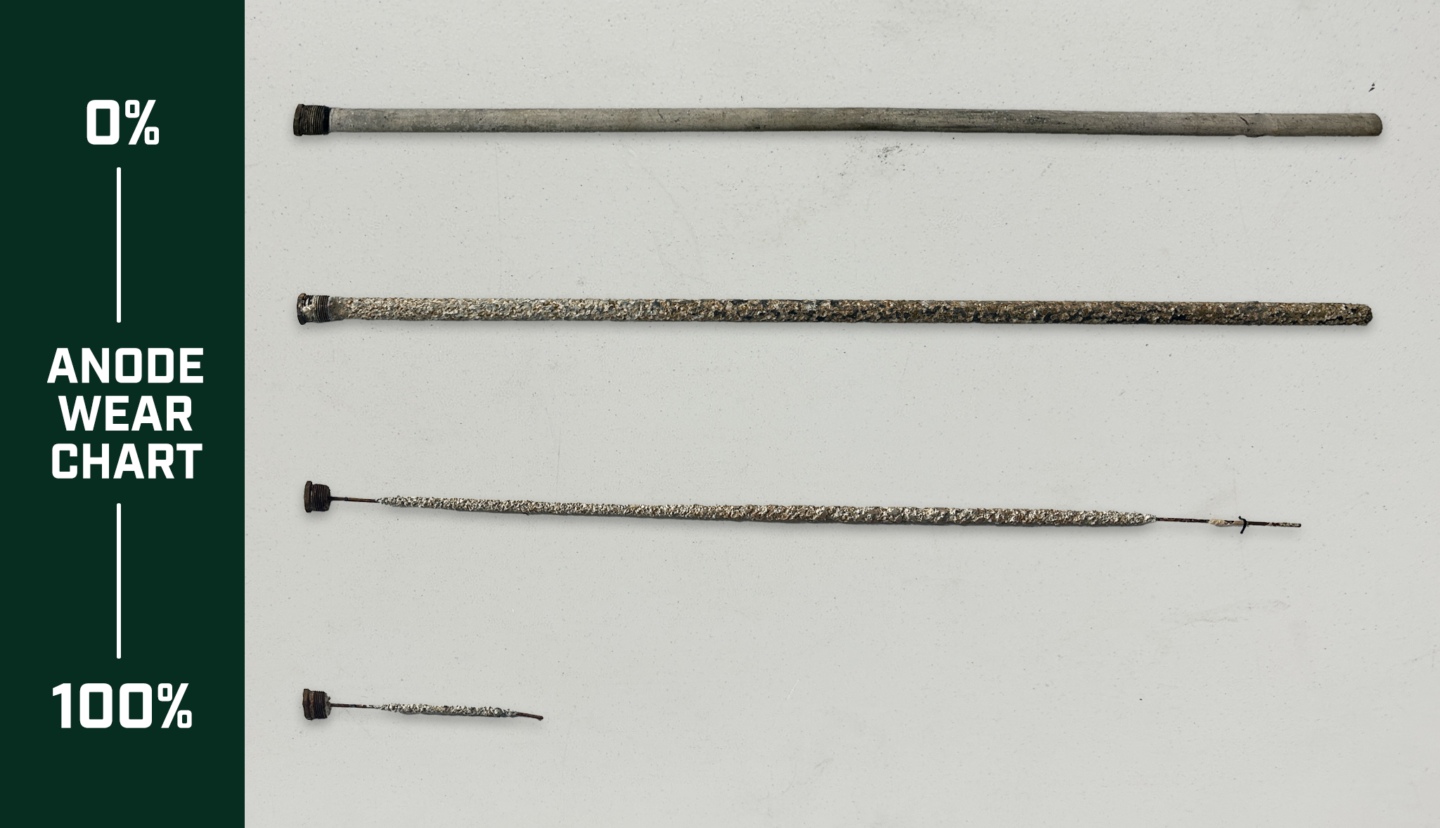
Water heaters are the primary source of hot water in our homes. Still, many homeowners need to be made aware of the critical role the anode rod plays in extending the lifespan of their water heater. The anode rod, often made of magnesium or aluminum, sacrifices itself to prevent corrosion inside the tank. It’s important to learn when it’s time to replace the anode rod, how to locate and remove the old rod, and the steps to install a new one. By keeping up with this maintenance task, you can avoid costly repairs in the future.
Locating the Anode Rod in Your Water Heater
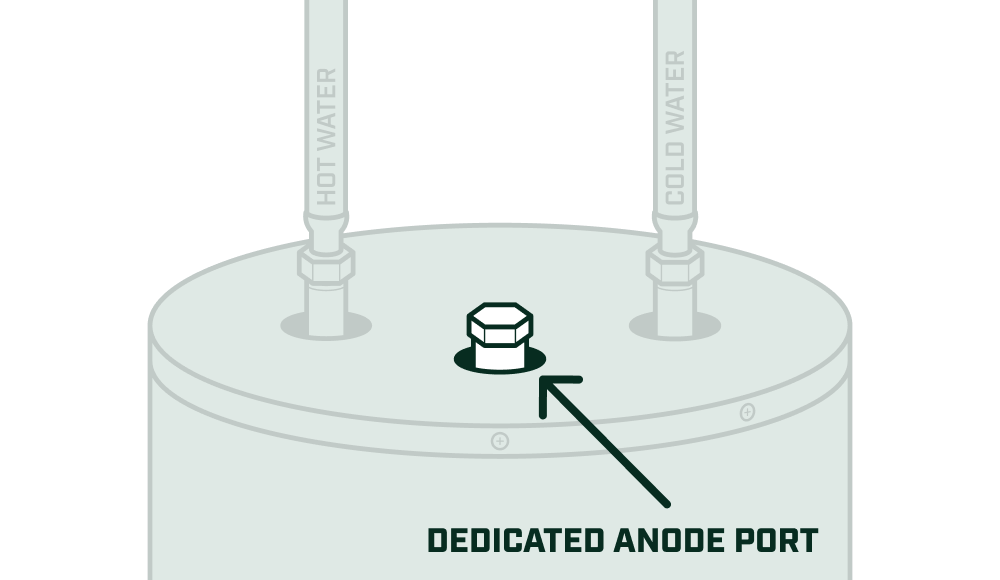
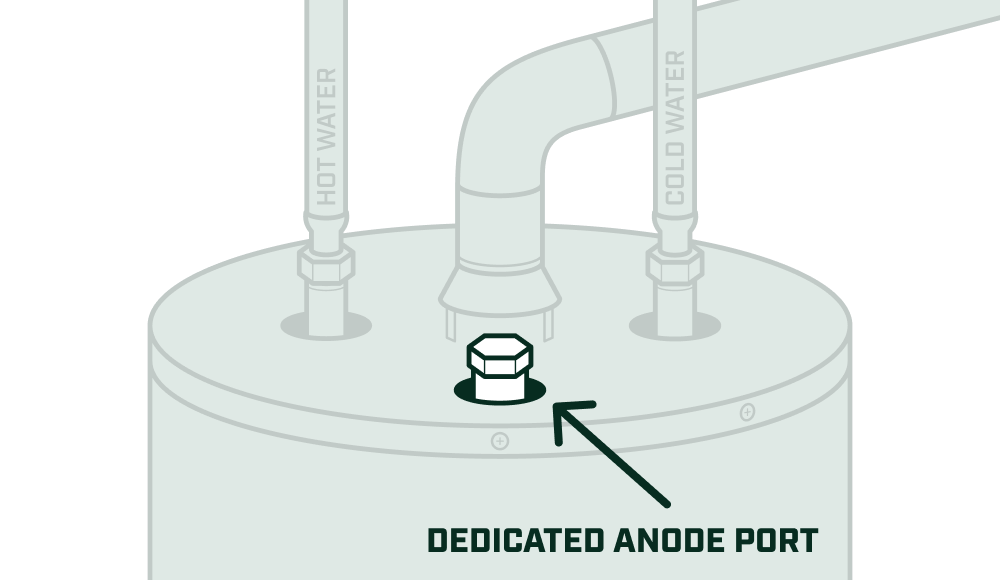
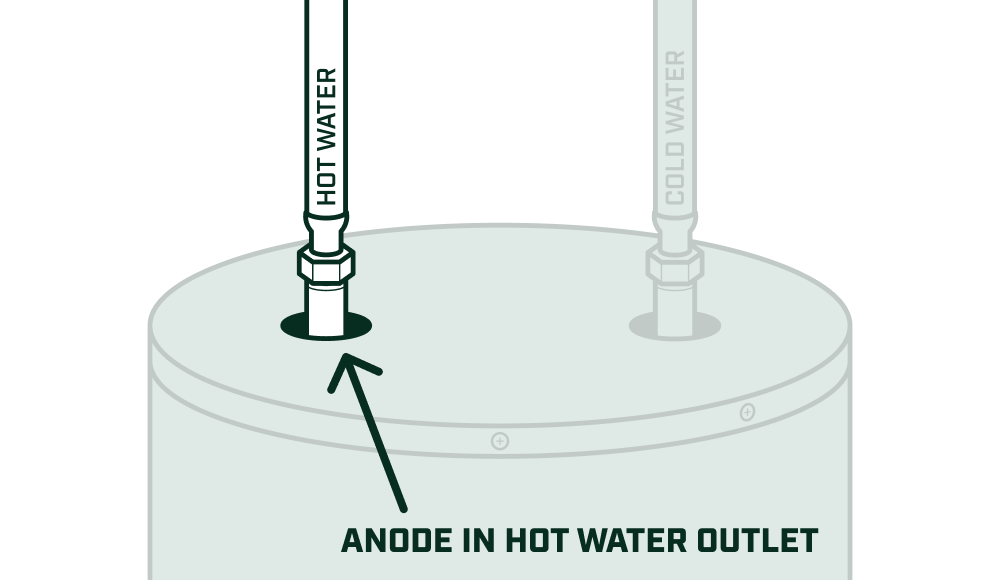
The water heater anode rod location depends on the model and type of water heater. In many electric and gas water heaters, the anode rod is located at the top of the tank, often hidden beneath a cap. If you have a Bradford White water heater, the anode rod is attached to the hot water outlet pipe. Finding the anode rod may require a bit of detective work, but it is typically accessible without needing to disassemble the unit. See the examples below of the different anode rod locations.
How to Replace an Anode Rod
Preparing to Replace the Anode Rod
Before replacing the anode rod in a water heater, ensure all power to the unit is turned off and the water supply is shut off. It’s also a good idea to drain some water from the tank to reduce pressure and prevent any spillage during the replacement process.
Removing the Old Anode Rod
You’ll need the correct tools to remove the anode rod from a water heater, typically a socket wrench with the right anode rod socket size. A 1-1/16 inch socket is commonly used for most water heaters. Carefully unscrew the old anode rod, being prepared for some resistance due to corrosion or sediment build-up.
Installing the New Anode Rod
Slide the new anode rod into place and tighten it securely with the socket wrench. It’s crucial not to overtighten to avoid damaging the tank. Anode rod installation requires some care to ensure a snug fit without stripping the threads.
Recognizing Bad Anode Rod Symptoms
One of the first signs of a failing anode rod in a water heater is the appearance of rusty-colored water or a sulfur smell when you use hot water. These bad anode rod symptoms suggest that the rod has deteriorated and no longer protects the tank effectively. Unusual noises, such as popping or hissing sounds from the tank, are also indicators of sediment build-up and anode degradation.
Understanding Anode Rod Replacement Costs
The anode rod replacement cost can vary depending on the rod type and whether or not you hire a professional. On average, replacing an anode rod ranges from $20 to $50 for the part itself, with professional installation costs adding another $100 to $200. Considering the protection it offers against tank corrosion, replacing an anode rod is a cost-effective maintenance step.
Additional Considerations
Choosing the right anode rod is important—magnesium rods are generally used in areas with softer water, while aluminum rods are better suited for hard water areas. Regular inspections every two to three years can help determine anode rod replacement and how often it needs to be done, ensuring your water heater remains in good working condition.
Consider a Powered Anode Rod for Your Water Heater
When it comes to replacing an anode rod, homeowners also have the option of choosing a powered anode rod instead of the more traditional sacrificial anode. Powered anode rods offer several advantages that make them an appealing choice for extending the life of your water heater. Incorporating a powered anode rod into your water heater system is an excellent way to enhance the unit’s longevity and performance, as well as remove the sulfur or “rotten egg” smell from your water.
Installation of a powered anode rod into your water heater is often as easy as removing the old sacrificial rod, adding the new powered rod to the system, and plugging it in. However, a wye fitting is required to install a powered anode rod on a Bradford White water heater or a model with the anode rod in the hot water outlet.
More Tips on Removing Anode Rods
FAQ
Corro-Protec fits the vast majority of water heaters sold on the market. It works with nearly
all storage tank-style models, except tankless, stainless steel, or plastic-lined units, as these
do not use an anode. For all others, it provides reliable, long-term corrosion protection.
Yes. Our powered anode rod can be installed in a used water heater. While it cannot reverse existing corrosion, it will prevent future damage and extend the life of your tank. When you replace your water heater, you can simply move Corro-Protec to the new unit, protect your new tank from day one, and maintain your Corro-Protec warranty.
For almost every tank brand, the anode rod is located at the top of the tank, under a separate plastic cap labeled ‘anode’ and beneath a hexagonal head. Very few tanks have the anode integrated into the hot water outlet, but it’s worth noting that this location is typical for Bradford White.
Anode rods typically last 2 to 5 years, but the real answer depends on your water and how much hot water you use. More “aggressive” water conditions can shorten that timeline, so it’s smart to check the rod regularly.
Two situations that often consume anodes faster are: (1) areas with hard water (more mineral content and typically more deposits in the tank) and (2) homes with a water softener, as many manufacturers note softened water can be more aggressive on the anode, so inspection intervals may need to be shorter.
To protect your warranty, follow your manufacturer’s maintenance schedule. Many brands recommend an anode inspection every 1 to 3 years, and replacement when needed. A. O. Smith, for example, recommends regular tank maintenance and anode rod inspection/replacement when necessary. Best practice: check your water heater owner’s manual for the exact inspection and replacement requirements to keep your warranty valid.
The most common socket size for removing a factory-installed anode rod is 1-1/16″. Corro-Protec uses a 1-3/16″ socket, but the thread size is still the standard 3/4″ NPT since the socket size does not change the NPT size. If your water heater’s anode is in the hot water outlet, you won’t need a socket to remove it.
Blog

Choosing the Right Anode Rod Removal Impact Wrench
Comprehensive Guide to Selecting the Right Anode Rod Removal Impact Wrench When you’re facing the task of maintaining your hot water heater, dealing with the […]

How Long Do Water Heaters Last? Much Shorter Than it Could!
How long do water heaters last is a very complex and difficult question to answer. We live in a society that increasingly understands the environmental […]